
Walkway Installation for Homeowners Done Right
Walkway installation for homeowners in Austin: choose materials, drainage, layout, and installation details built for Texas heat and heavy rain seasons.
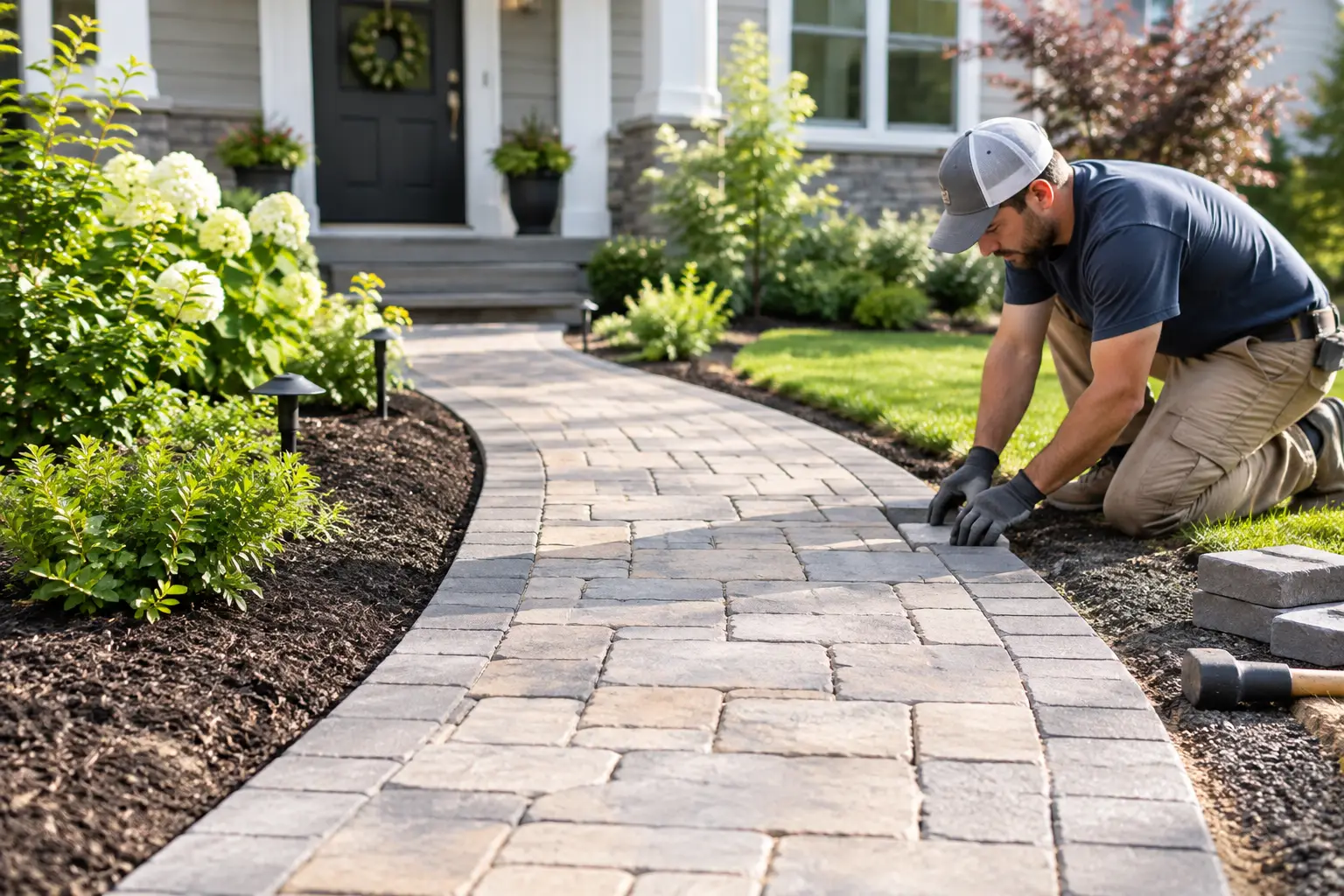
A front walk that puddles after every storm, cracks at the driveway edge, or forces guests across the grass is more than a curb-appeal problem. Proper walkway installation for homeowners starts with the ground, water flow, and how people actually move around the property. In Austin, a good-looking path also has to handle hard sun, sudden heavy rain, shifting soils, and regular foot traffic.
A well-built walkway creates a clear route from the driveway or street to the front door, side gate, patio, pool area, or backyard. It keeps shoes out of mud, protects turf and landscaping, and gives the property a more finished appearance. The best material and layout depend on the home, the slope of the lot, and the level of maintenance the owner is willing to take on.
Start Walkway Installation for Homeowners With a Real Plan
The path should solve a practical problem before it becomes a design feature. Start by looking at the route people already use. A worn strip through the lawn, a muddy shortcut from the driveway, or an awkward step around a landscape bed usually tells you where the walkway belongs.
Direct routes work well for front entries and side-yard access. A gradual curve can make more sense around mature trees, existing beds, utility equipment, or changes in elevation. Curves should be intentional, not so tight that people cut across the grass anyway. If the route does not feel natural, people will not use it.
Width matters as much as alignment. A 36-inch walk can work for a secondary side path, but a main entry walkway generally feels better at 42 to 48 inches wide. Wider paths are more comfortable when two people walk side by side or when someone is carrying groceries, moving a trash bin, or guiding a stroller.
Before construction begins, identify sprinkler heads, drainage lines, utility routes, low-voltage lighting, and tree roots. It is also worth checking how the new path will meet the driveway, porch, gate, or patio. A walkway that ends with an uneven step or a sharp lip can create a trip hazard and make the project feel unfinished.
Drainage Is Part of the Build
Water is one of the biggest reasons walkways fail early. Austin can go weeks without meaningful rain, then get a storm that exposes every low spot in the yard. If water runs toward the house or sits along the edges of a path, it can soften the base, wash out soil, stain concrete, and create slippery conditions.
A walkway needs a controlled slope that sends water away from the home. The right direction and amount of fall depend on the site, but the goal is consistent: water should move off the surface without creating erosion or dumping runoff against a foundation. On a sloped property, this may require grading, a swale, edging, a drain, or changes to nearby landscape beds.
The base under the walkway is just as important. Concrete, pavers, and stone all need stable support. Skipping excavation or placing material directly on loose soil is a common shortcut that leads to settlement, uneven sections, and cracking. In areas with expansive clay soil, proper base preparation and compaction are especially important.
Choose a Material That Fits the Property
Concrete remains a strong choice for many Austin homes because it is durable, clean, and adaptable. A standard broom finish provides good traction and a straightforward look. Decorative options such as exposed aggregate, color, stamped texture, or a border can add character, but they should still fit the style of the home and surrounding hardscape.
Pavers offer flexibility in appearance and can be easier to repair section by section if movement occurs. They require careful base work, edge restraint, and joint maintenance. A paver walkway can look excellent, but it is not automatically lower maintenance than concrete. Weeds, sand loss, and shifting pieces need attention over time.
Natural stone works well when the goal is a more organic landscape design. Flagstone paths can complement native plants, rock beds, and informal backyard areas. However, stone varies in thickness and texture, so installation takes careful leveling. Smooth or polished stone may not be the best choice near a pool or in shaded areas where the surface can stay damp.
Gravel is often the most budget-friendly option for informal garden paths, but it is less practical for a main front entry. It can migrate into lawn areas, shift underfoot, and require periodic raking or replenishment. It works best when contained by solid edging and used where a more relaxed look makes sense.
Details That Keep a Walkway Looking Good
A clean installation is built from small details that homeowners may not notice on day one but will appreciate for years. Concrete joints should be placed to control where normal shrinkage cracking occurs. Sections should be finished at a consistent grade, with no birdbaths that collect water after rain.
The connection points matter. A walkway should meet a driveway, porch, or patio at a smooth transition. If it runs beside landscaping, consider how mulch, decomposed granite, or river rock will sit against the edge. Without a clear edge or grade change, loose landscape material can spill onto the walking surface and make it look neglected.
For concrete, a broom finish is often the practical choice. It provides traction without being rough on bare feet. Highly decorative textures can look sharp, but deep patterns may trap dirt and can be harder to clean. The best finish depends on whether the walkway serves a formal entry, a backyard patio connection, or a poolside route.
Lighting can also improve the result, especially on paths used after dark. Low path lights, step lights, or carefully placed landscape lighting can help people see changes in grade without turning the yard into a runway. Plan lighting before installation so wiring and fixtures do not need to be added as an afterthought.
Know When a Simple Path Becomes a Larger Project
Some walkway projects are straightforward. Others involve grading, retaining, drainage correction, tree protection, or coordination with a new patio and landscape renovation. Trying to treat all of these as a basic concrete pour can create expensive problems later.
A path near large established trees deserves extra attention. Cutting major roots can affect tree health, while building too high over roots can limit water and oxygen. In some cases, adjusting the route or using a more flexible material is the better call.
Homes with steep front yards may need steps, landings, or a longer route to create a comfortable grade. Steps should be consistent in height and depth. Uneven steps are easy to miss until someone catches a toe on one. Where accessibility is a concern, the layout may need a broader, more gradual approach instead of a short and steep connection.
If the project includes new planting beds, sod, drainage work, or a patio, it usually makes sense to plan the hardscape and landscape together. That avoids tearing up fresh lawn, relocating irrigation twice, or installing plants where construction equipment still needs access. Texan Strong Builds can coordinate concrete and landscaping work so the finished walkway fits the full outdoor plan rather than looking added on later.
What Homeowners Can Do Before Installation
Before a contractor arrives, homeowners can make the project move faster by deciding how the path will be used and identifying any problem areas after rain. Photos of standing water, cracked existing concrete, or traffic patterns across the lawn are useful during planning. It also helps to know whether the goal is a simple durable route, a front-entry upgrade, or part of a larger outdoor renovation.
Do not choose a material based only on a photo. Look at the home exterior, driveway, patio, fencing, and landscape style. A walkway should connect those elements. The most expensive option is not always the best option, and a plain concrete walk installed on a properly prepared base will often outperform a decorative surface installed with poor drainage and weak support.
A walkway earns its value every day: when rain hits, when guests arrive, when trash goes to the curb, and when the yard needs to stay clean and usable. Build the route around how the property works, prepare the base correctly, and give water a place to go. Those decisions are what turn a path into a lasting part of the home.