
Are Retaining Walls Necessary on Your Property?
Are retaining walls necessary for your Austin property? Learn when grade, drainage, soil pressure, and usable yard space call for a built solution that lasts.
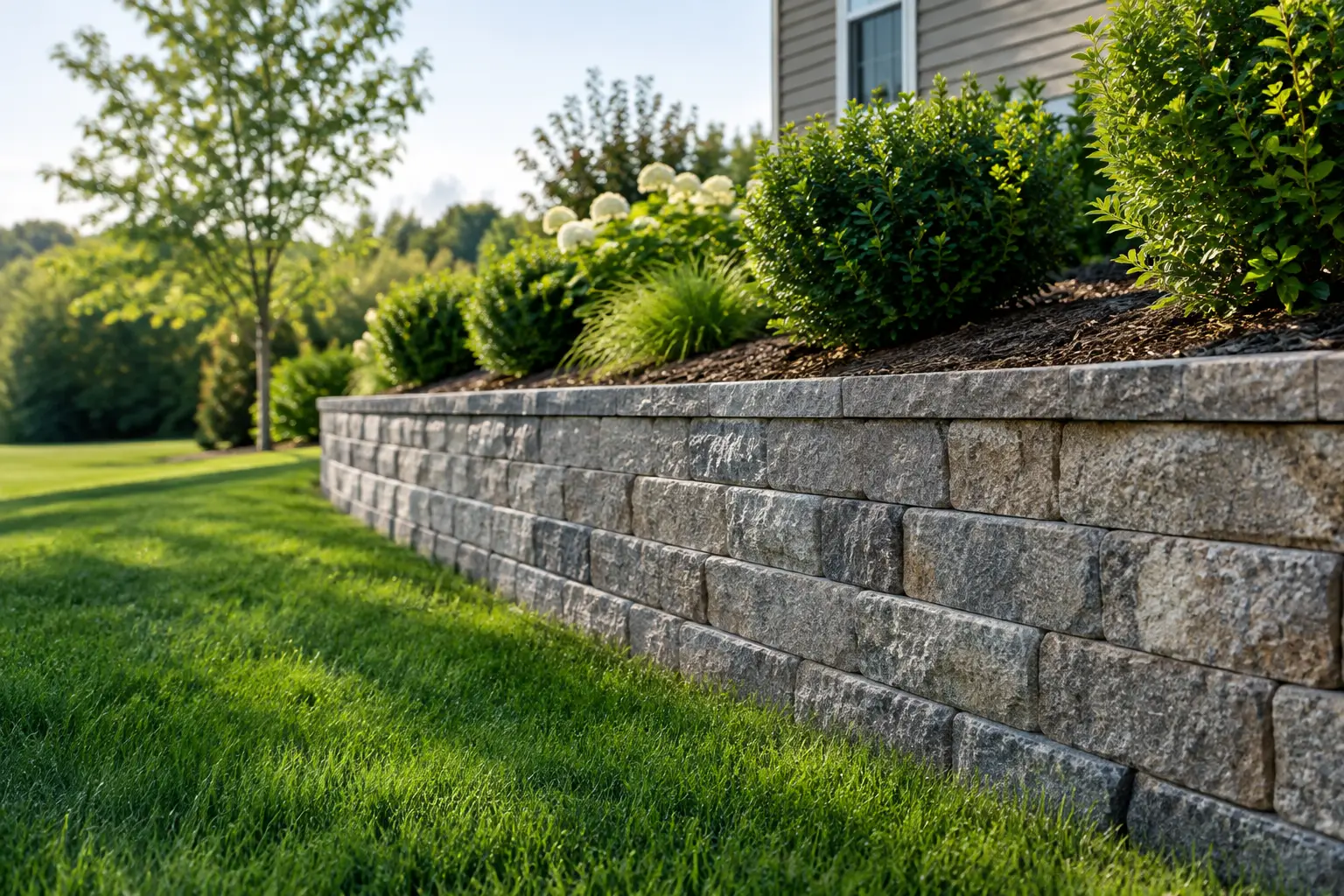
A sloped backyard can look manageable until the first hard Austin rain sends soil toward the patio, water along the foundation, or mulch across the driveway. Are retaining walls necessary in every uneven yard? No. But when soil needs to be held in place, drainage needs a controlled path, or a slope is limiting how you use the property, a properly built retaining wall can be a practical structural solution.
For Austin homeowners, investors, and property managers, the right answer comes down to site conditions. A retaining wall should solve a real grading or soil-pressure problem, not simply add stone or block to the landscape. When it is needed, cutting corners on drainage, footing depth, or materials can turn a useful improvement into an expensive repair.
Are Retaining Walls Necessary for Sloped Austin Yards?
Retaining walls are necessary when a change in elevation creates pressure that loose soil, grass, landscaping, or a simple border cannot safely manage. Their job is to hold back soil at different grades while directing water away from the wall and nearby structures.
A small, gradual slope often does not need a wall. Thoughtful grading, ground cover, native planting, drainage swales, or erosion-control measures may be enough. The decision changes when the slope is steep, the soil is washing out, or the elevation change affects a driveway, walkway, patio, fence, pool area, or foundation.
Austin-area properties frequently combine limestone, rocky ground, clay soils, and sudden elevation changes. Central Texas rain can arrive hard and fast after a dry stretch. That cycle exposes weak drainage and loose soil quickly. A wall may be needed to stabilize a cut slope, support a raised section of yard, or create a flat outdoor area where the original grade offers little usable space.
The wall itself is only part of the work. Proper site preparation, base material, backfill, drainage stone, and an outlet for water are what keep soil pressure from building behind it.
Clear Signs You May Need a Retaining Wall
Soil movement is the first warning sign. If dirt is sliding down a slope, bare patches keep appearing, or mulch and gravel wash away after storms, the property may need more than fresh landscaping. Erosion can gradually undermine walkways, expose roots, and shift the grade toward areas where water does not belong.
Water behavior is another major factor. Standing water at the top or base of a slope can saturate soil and increase pressure behind any existing border or wall. Water flowing toward a home, garage, patio, or neighboring property should be addressed through a full drainage and grading plan. A retaining wall can be part of that plan, but it is not a substitute for giving water a place to go.
A wall is also worth considering when you want to reclaim unusable yard space. A steep side yard may offer no safe place for equipment, planting beds, a path, or outdoor living. Terracing the grade with one or more retaining walls can create level areas for a concrete patio, landscape beds, seating, or easier maintenance.
Existing damage deserves prompt attention. Leaning walls, cracked block or stone, separated capstones, bulging sections, and washed-out soil behind the wall are not cosmetic issues. They often point to water pressure, poor compaction, inadequate footing support, or a wall that was not designed for the load it carries.
When a Retaining Wall Is Not the Best Answer
Not every grade change calls for a structural wall. If the slope is broad and stable, regrading may solve the problem more efficiently. Moving soil to create a gentler transition can reduce erosion and improve drainage without adding a vertical structure.
Planting can also help on mild slopes. Deep-rooted ground cover, shrubs, and properly installed erosion-control materials can hold surface soil in place. This approach works best where there is no significant pressure from a higher grade and no need to support a hardscape or building area.
For water problems alone, the solution may be a swale, catch basin, French drain, downspout extension, or corrected concrete slope. Installing a decorative wall without correcting the water path can trap runoff and make the original issue worse. The goal is not to build the biggest feature. It is to build the right solution for the property.
What Makes a Retaining Wall Hold Up
A retaining wall carries more than the weight of visible soil. It also deals with water, saturated soil, nearby loads, and natural ground movement. That is why wall height and location matter.
A low landscape border may be a straightforward installation. A taller wall supporting a driveway, patio, pool deck, fence, or slope near a structure requires more planning. Walls above certain heights may require permits, engineering, or specific construction details depending on local requirements and site conditions. Before work starts, confirm what applies to your Austin-area property.
Drainage Behind the Wall
Water is one of the most common reasons retaining walls fail. A properly built wall needs free-draining aggregate behind it, drainage provisions near the base, and a discharge route that moves water away safely. Without drainage, water collects in the backfill, turns soil heavy, and creates pressure the wall was not built to handle.
Drainage also needs to work with the rest of the property. Roof runoff, neighboring grades, irrigation, and paved surfaces all affect how water reaches the wall. A good installation looks at the full path, not just the wall face.
A Stable Base and Proper Backfill
The base must be prepared on firm, properly compacted material. This creates a level starting point and helps prevent settling. The wall also needs appropriate backfill placed and compacted in lifts, rather than loose dirt pushed behind the blocks or stone at the end.
Material selection matters as well. Segmental concrete block, natural stone, poured concrete, and other systems each have strengths, appearance options, and installation requirements. The best choice depends on the wall height, the load it supports, drainage needs, budget, and the look of the surrounding landscape.
The Right Plan for Expansive Soil and Rock
Central Texas soil can be demanding. Clay expands when wet and contracts as it dries, while shallow rock can affect excavation depth and drainage routes. These conditions do not rule out a retaining wall, but they do make site-specific planning more valuable.
A contractor should evaluate the grade, access, soil condition, wall location, and what sits above and below the proposed wall. This is especially true if the work connects to concrete flatwork, such as a patio, walkway, driveway edge, or stair landing. Those elements must drain correctly and remain stable together.
Retaining Walls Can Improve More Than the Grade
When built for the right reason, a retaining wall does more than stop erosion. It can define landscape beds, frame a patio, create safer steps through a sloped yard, and make maintenance easier. For rental properties and managed communities, a stable, cleanly graded exterior can also reduce recurring washout and appearance issues.
There is a cost trade-off. A wall adds excavation, base preparation, drainage materials, labor, and possibly engineered plans. But ignoring an active slope can lead to repeated landscape replacement, damaged concrete, drainage repairs, or loss of usable yard space. The lower upfront option is not always the lower long-term cost.
For projects that combine grading, concrete, and landscaping, coordinating the work under one clear plan helps avoid conflicts. A patio should not be poured before the final drainage approach is established, and landscape work should not hide a wall problem that still needs structural attention.
How to Decide Before You Build
Start by watching the property after rainfall. Note where runoff starts, where it collects, and whether soil moves. Look for changes in the grade near the foundation, fence lines, paved surfaces, and neighboring lots. Photos taken during or just after a storm can make the problem easier to assess.
Then consider what the slope needs to support. A simple planting area has different requirements than a raised patio, vehicle area, or section of yard above a pool or home. The more load and elevation involved, the less sense it makes to treat the wall as a purely decorative feature.
A site evaluation should lead to a clear recommendation: retain the slope, regrade it, improve drainage, use planting for erosion control, or combine those approaches. Texan Strong Builds approaches these projects with the practical goal in mind: stabilize the ground, manage water, and leave the property more usable than it was before.
If the grade is moving, water is heading toward the house, or a steep yard is keeping you from using your outdoor space, address it before the next heavy rain turns a manageable issue into a larger repair.