
A Residential Concrete Demolition Guide
Use this residential concrete demolition guide to plan permits, utility checks, safe removal, disposal, and replacement work for Austin homes properly.
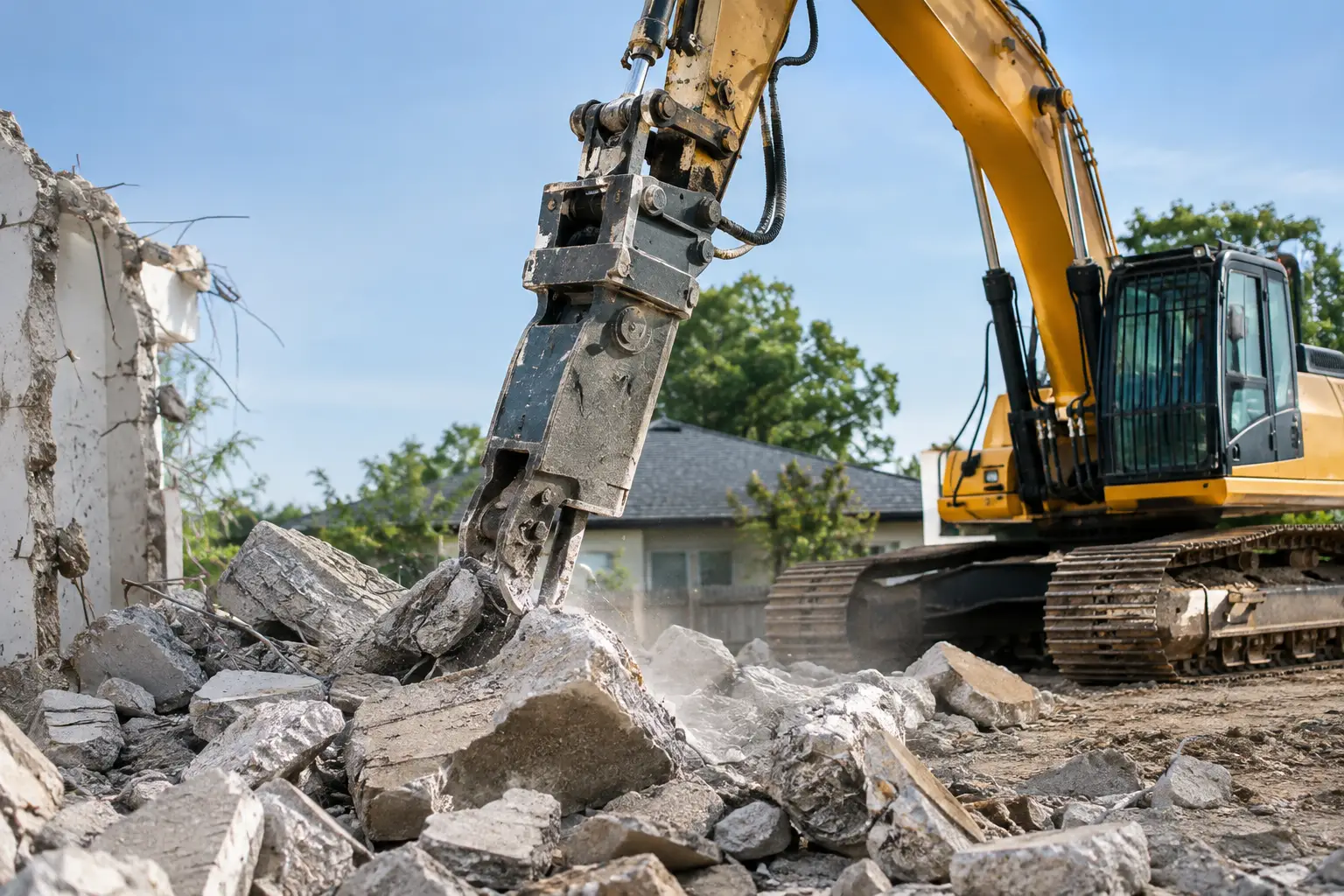
A cracked driveway, sunken patio, or failing sidewalk can make an otherwise solid property look neglected. This residential concrete demolition guide explains what Austin homeowners should consider before breaking up old concrete, from utility protection and permits to hauling debris and preparing the site for replacement.
Concrete demolition is not just a matter of renting a jackhammer. The real work is controlling dust, avoiding buried utilities, protecting nearby structures, managing heavy debris, and leaving the ground ready for the next phase. A poor removal job can create drainage issues, damage landscaping, or add unnecessary cost to a new concrete installation.
Start With a Clear Reason for Removal
Not every damaged slab needs to be demolished. Surface scaling, small cracks, and minor staining may be candidates for repair or resurfacing. Full removal usually makes more sense when concrete has shifted significantly, has widespread cracking, holds water, or no longer supports the way the space is used.
For Austin properties, soil movement is often part of the problem. Expansive clay soils can contribute to settlement, heaving, and cracking as moisture levels change. Tree roots can also lift walkways and patios. If the underlying cause is not addressed before new concrete is poured, a replacement slab may develop similar problems over time.
Consider what will replace the concrete before demolition begins. A driveway replacement needs a different base and thickness than a backyard patio. A new walkway may need regrading for drainage. If the plan includes landscape beds, retaining features, irrigation, or a larger outdoor living area, it is usually more efficient to coordinate those decisions before the old slab is removed.
Check Permits, Property Lines, and Utilities
Demolition work can affect more than the slab itself. Before equipment arrives, confirm local requirements for your address. Permit needs can vary based on the type of work, whether a driveway connects to a public street, whether drainage is being changed, and which Austin-area municipality or jurisdiction governs the property.
Property lines matter when concrete sits near a fence, shared drive, easement, or neighboring structure. Do not assume an old slab was built entirely within the property boundary. This is especially important for side yards, shared access areas, and driveways near neighboring homes.
Call 811 before digging, breaking concrete, or removing material around the slab perimeter. Utility locators can mark many underground public lines, but private lines serving features such as landscape lighting, irrigation, pool equipment, or detached structures may require separate investigation. A contractor should also look for cleanouts, water shutoffs, drainage lines, and electrical conduit before starting.
Protect the house and adjacent improvements
Concrete close to a foundation, garage, fence, pool deck, or masonry wall needs a controlled approach. Heavy impact can transfer vibration into nearby structures. Saw cuts are often used to separate the portion being removed from concrete that will remain, creating a cleaner edge and reducing the risk of unintended cracking.
Landscaping deserves the same attention. Mature trees, irrigation heads, decorative stone, and planted beds can be damaged by skid steers, dumpsters, and repeated foot traffic. Establish equipment access, material staging areas, and protection for areas that will stay in place.
Choose the Right Demolition Method
The right method depends on slab thickness, reinforcement, access, and the amount of concrete being removed. A small patio may be handled with saw cutting, electric breakers, and hand-loaded debris. A driveway or large backyard slab often requires a skid steer, hydraulic breaker, or compact excavator.
Saw cutting is useful when a straight, controlled edge is needed. It can also help divide a large slab into manageable sections. Wet cutting controls dust well but creates slurry that must be contained and cleaned up properly. Dry cutting can be faster in certain conditions, but it requires serious dust control and appropriate respiratory protection.
Jackhammers and demolition hammers are effective for smaller sections, but they are physically demanding and can be slow on thick or heavily reinforced concrete. Equipment-mounted breakers improve production on large areas, though access and ground conditions must support the machine.
Reinforced concrete adds another layer of work. Wire mesh and rebar do not break apart as easily as concrete. Crews may need cutting tools to separate steel before loading debris. Older slabs can also be thicker than expected, particularly at driveway edges, footings, or areas that supported heavy vehicles.
Plan for Dust, Noise, and Debris
Concrete removal is loud, dusty work. Good planning protects the household, neighbors, and surrounding property. Work areas should be isolated where possible, and dust should be controlled with water or collection equipment. Workers need proper eye, hearing, hand, and respiratory protection.
Austin heat changes the job as well. Summer demolition can put workers and equipment under serious strain, while dry conditions increase airborne dust. Scheduling, hydration, and realistic production expectations matter. Rushing through demolition during extreme heat is not a smart way to save a few hours.
Concrete is heavy. A standard 4-inch slab weighs roughly 50 pounds per square foot, so even a modest patio can generate several tons of material. That weight affects dumpster sizing, truck loads, access routes, and disposal costs. It also explains why breaking concrete into smaller sections is often safer and easier to manage.
Recycling is often a practical disposal option. Clean concrete can be crushed and reused as aggregate or base material. Loads mixed with trash, soil, wood, or other debris may cost more to dispose of, so keep materials separated when possible.
Prepare the Ground for What Comes Next
A clean demolition site is not necessarily a ready-to-build site. Once concrete is removed, inspect the exposed subgrade. Soft spots, standing water, loose soil, root intrusion, and damaged drainage components should be handled before new material goes down.
For a new driveway, patio, or walkway, the base layer is a major part of long-term performance. The area may need excavation, grading, compacted base material, and forms set to the correct slope. Water should move away from the home and not collect against foundations, garage entries, or doors.
If the old concrete failed because of drainage or soil movement, replacement should include a better plan rather than copying the original layout. That could mean adjusting the slope, adding drainage features, changing joint placement, or reducing pressure from nearby roots. The best solution depends on the site, not just the visible cracks.
Coordinate concrete and landscaping work
Demolition is often the right time to rethink the entire outdoor area. Removing a narrow, failing patio may create room for a larger usable space, better walkways, planting beds, or a more functional grade. Coordinating concrete and landscape work prevents the common problem of installing a new slab, then tearing up its edges to run irrigation or complete grading later.
Texan Strong Builds approaches exterior projects with that sequence in mind: remove what has failed, correct the base conditions, install durable hardscape, and finish the surrounding landscape so the property looks complete rather than pieced together.
When Professional Demolition Is Worth It
DIY removal can work for a small, isolated slab with clear access and no nearby utilities or structures. Even then, homeowners should account for rental costs, safety equipment, hauling, disposal, and the physical effort involved.
Professional help is usually the better call for driveways, reinforced slabs, concrete near a home foundation, large patios, pool-adjacent areas, or any project where replacement concrete is planned. A qualified crew can manage saw cuts, equipment, debris removal, grading, and preparation without leaving the next trade to solve preventable problems.
The lowest demolition price is not always the best value. Ask what is included: utility precautions, dust control, cutting, hauling, disposal, base removal, final grading, and cleanup. A clear scope helps prevent surprise charges and makes it easier to compare proposals fairly.
A solid replacement begins long before fresh concrete is poured. Remove the old slab carefully, correct the conditions beneath it, and give the new outdoor space the base it needs to hold up through Austin weather and everyday use.