
When Should Driveway Be Replaced? 7 Clear Signs
Wondering when should driveway be replaced? Learn the signs Austin homeowners should watch for, from cracks and settling to drainage problems promptly.
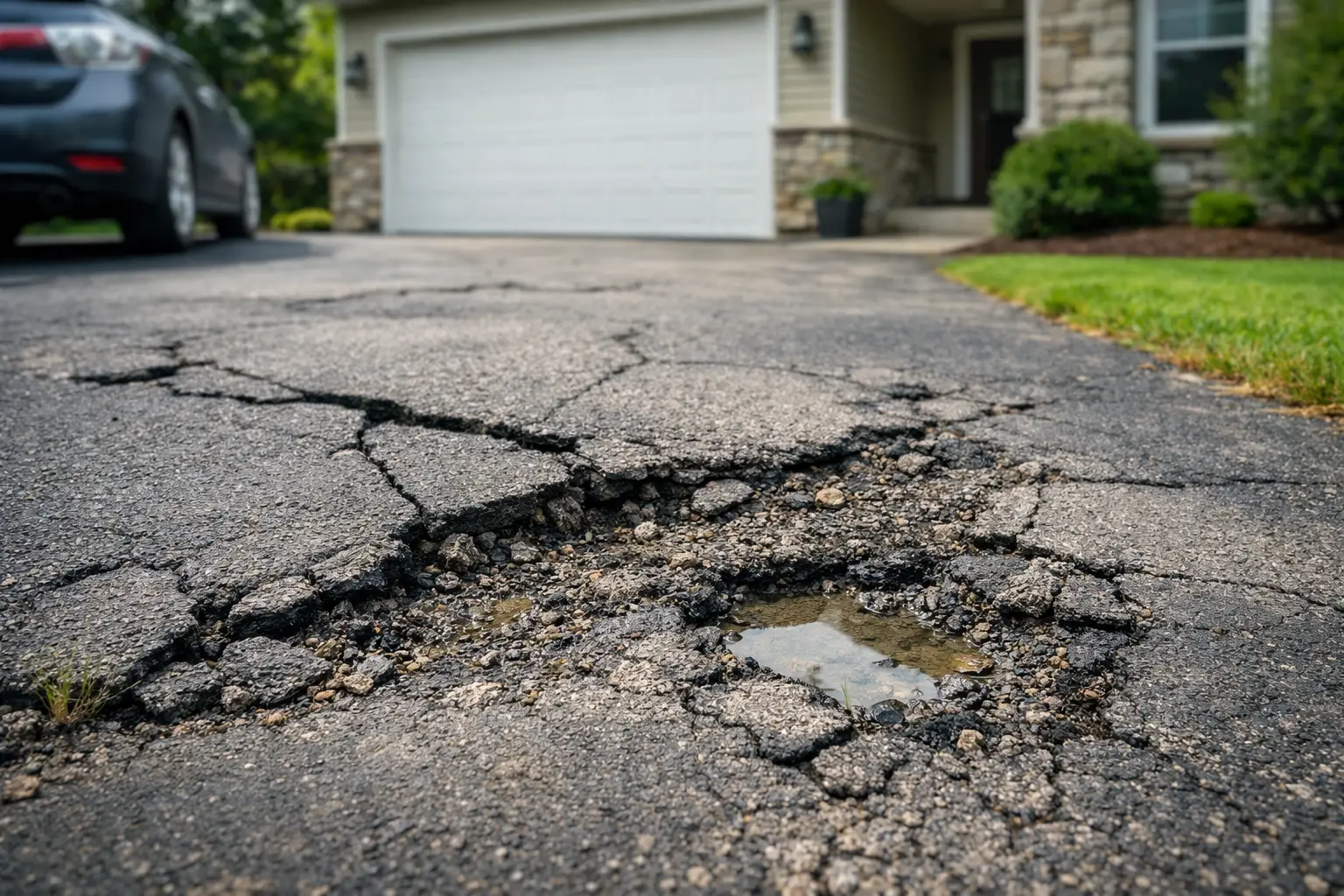
A driveway can look rough for years and still carry vehicles. Then one wet season, a heavier truck, or another stretch of Austin heat turns a manageable issue into broken concrete, standing water, and a trip hazard. Homeowners often ask, “when should driveway be replaced?” The answer depends less on age alone and more on the condition of the slab, the ground beneath it, and whether repairs will actually hold.
Concrete is built to last, but it is not indestructible. Central Texas clay soil expands when wet and contracts during dry weather. Add high temperatures, sudden rain, tree roots, and daily vehicle traffic, and even a well-built driveway will eventually show wear. Knowing the difference between cosmetic aging and structural failure helps you spend money where it makes sense.
When Should a Driveway Be Replaced Instead of Repaired?
Replacement is usually the right call when damage affects the driveway’s base, drainage, or overall stability. A few isolated cracks can often be sealed or repaired. But widespread cracking, major movement, and crumbling concrete generally point to a deeper problem that surface fixes cannot solve.
A repair is worthwhile when the slab is mostly level, the concrete is still solid, and the issue is limited to a small area. Replacement becomes the better value when repairs would only hide continuing settlement or deterioration. Patching a driveway with a failing base may improve appearance for a short time, but it will not stop the slab from moving.
Here are seven signs it is time to seriously consider a new driveway.
1. Cracks Are Wide, Deep, or Spreading
Hairline cracks are common in concrete, especially after years of heat and weather changes. They are not always an emergency. The concern starts when cracks widen, form connected patterns across several sections, or continue to open after being repaired.
Cracks that are wide enough to catch a shoe heel, collect water, or allow weeds to grow through are more than cosmetic. They let water reach the base material and soil below the slab. Once that happens, the ground can soften, shift, and cause more cracking.
A single controlled crack may be repairable. Multiple large cracks running in different directions usually mean the driveway is losing structural integrity.
2. Sections Have Settled or Lifted
A driveway should provide a reasonably smooth path from the street to the garage or parking area. If one slab section sits noticeably lower or higher than the next, the issue may be soil movement, erosion, poor compaction, or root pressure.
Small changes in elevation can sometimes be addressed with targeted leveling, depending on the slab condition and cause of movement. But if several areas have sunk, tilted, or heaved, replacement is often the more reliable solution. The existing base may need to be removed, regraded, and rebuilt before new concrete is placed.
Uneven sections also create trip hazards for family members, guests, delivery workers, and tenants. For rental properties and managed homes, that is a maintenance issue worth addressing before it becomes a liability concern.
3. Water Ponds on the Driveway
Standing water is one of the clearest signs that a driveway needs attention. Concrete should be sloped so water moves away from the garage, home foundation, and walking areas. If rainwater sits in low spots for hours or regularly runs toward the house, the driveway is not draining as it should.
In Austin, drainage matters because heavy rains can arrive quickly. Water that pools on concrete can seep into cracks, wash out base material, and keep nearby soil saturated. When water reaches the foundation area, it can create a much more expensive problem than a driveway repair.
Sometimes a drainage issue can be corrected with localized work. If the driveway has broad settlement or the slope is wrong across multiple sections, full replacement allows the grade to be corrected from the start.
4. The Surface Is Flaking, Pitting, or Crumbling
Surface wear is not always a replacement signal. Minor discoloration, tire marks, and light weathering can be cleaned or improved with the right maintenance. The situation changes when the concrete begins to scale, spall, or break apart under normal use.
Spalling looks like chips or shallow layers of concrete coming loose from the surface. It can result from poor installation, moisture exposure, weak concrete, or years of wear. Pitting and exposed aggregate may also indicate that the top layer is no longer protecting the slab effectively.
If deterioration is isolated and shallow, a resurfacing option may be possible. If the concrete is crumbling in several areas or the slab is cracked and unstable underneath, resurfacing only covers the failure. Replacement is the practical move.
5. The Driveway Has Major Edge Damage
Driveway edges take abuse from tires, lawn equipment, trash bins, and vehicles cutting corners. A few small chips near the edge are normal. Broken edges that continue along the driveway, however, can signal inadequate support under the slab or concrete that has weakened over time.
Edge failure often worsens because water can enter underneath the concrete. Once the base begins eroding, the slab has less support and may crack inward from the sides. This is especially common where the driveway meets landscaping, where irrigation runoff or poor grading keeps the soil wet.
Replacing damaged sections may work if the rest of the driveway is solid. When edge loss is widespread, replacing the driveway and addressing the surrounding grade produces a cleaner, longer-lasting result.
6. Previous Repairs Keep Failing
A patch should not become an annual project. If cracks reopen, patched areas break loose, or new damage appears beside every repair, the problem is likely below the surface.
Repeated repairs can also leave a driveway looking uneven and pieced together. That may be acceptable for a temporary fix on a tight budget, but it can hurt curb appeal and create maintenance headaches for a property owner. At some point, putting more money into short-lived patchwork costs more than rebuilding the driveway correctly.
A contractor should evaluate why repairs failed before recommending replacement. The source could be drainage, expansive soil, poor base preparation, root intrusion, or simply concrete that has reached the end of its useful life.
7. Your Driveway No Longer Fits How You Use It
Replacement is not always driven by damage. Many homeowners replace a structurally tired driveway because it is too narrow, too short, or poorly laid out for current needs. A growing household may need more parking. A property investor may want a cleaner approach that improves rental appeal. A homeowner with trucks, trailers, or larger vehicles may need a thicker, better-supported concrete surface.
This is also the right time to coordinate driveway work with landscaping, walkways, drainage improvements, or a new patio. Planning the hardscape and surrounding outdoor areas together avoids tearing up fresh work later and helps create a more intentional layout.
What Affects Driveway Replacement Timing in Austin?
There is no fixed replacement schedule. A properly installed concrete driveway may last 25 to 30 years or more, while one built on poor base preparation or exposed to recurring drainage problems may fail much sooner. Austin-area soil conditions make proper excavation, base compaction, reinforcement decisions, and slope especially important.
Tree roots deserve attention as well. Mature trees add value to a property, but roots can lift slabs and create cracks. Removing concrete without a plan for the root cause can lead to the same problem in the new driveway. In some cases, the layout, joint placement, or nearby landscape design should be adjusted as part of the replacement project.
Weather also affects scheduling. Concrete work needs appropriate site conditions and curing time. A qualified contractor can help determine whether the current damage needs immediate action or whether the project can be planned around your budget and preferred timing.
What to Expect From a Proper Replacement
A durable replacement starts below the concrete. The old driveway is removed, the subgrade is evaluated, and unstable areas are addressed. The site is graded for drainage, a properly compacted base is installed where needed, and forms are set for the correct layout and slope.
Concrete thickness should match the expected traffic. A standard residential driveway has different needs than an area used by heavy pickups, work trailers, or frequent service vehicles. Control joints are placed to help manage normal concrete movement and reduce random cracking. The new concrete then needs time to cure before it handles regular vehicle traffic.
Do not choose a contractor on the lowest price alone. Ask what is included in demolition, base preparation, drainage correction, thickness, reinforcement, and cleanup. Those details determine whether the finished driveway remains stable through Texas heat, rain, and soil movement.
If your driveway is cracking, settling, or holding water, take a close look before another season makes the damage worse. A straightforward site evaluation can show whether a focused repair will do the job or whether replacement gives your Austin property the stronger long-term result.