
Patio Designs Built for Austin Backyards
Plan patio designs that stand up to Austin heat, drainage demands, and daily use. Compare concrete finishes, layouts, shade, and landscaping choices at home.
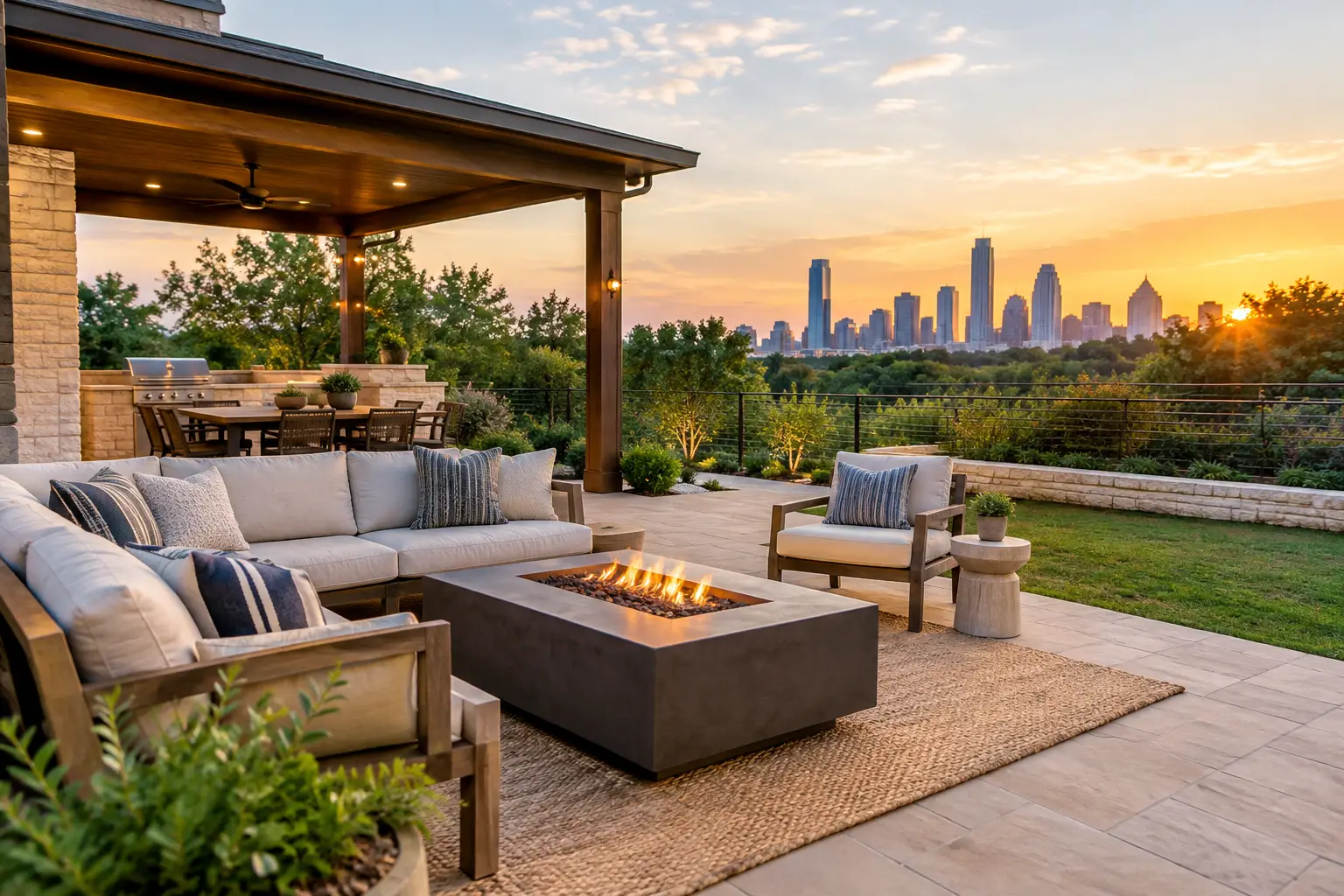
A patio that looks good on installation day but puddles after the first hard rain is not a finished outdoor space. The best patio designs for Austin homes account for the way people actually use the yard, the Texas heat, the slope of the lot, and the soil beneath the concrete. Appearance matters, but durability and drainage come first.
For homeowners, investors, and property managers, a patio should add usable square footage without creating a maintenance problem. That means making clear decisions early: where the patio connects to the home, how water leaves the area, what finish fits the property, and how landscaping will frame the hardscape once the work is complete.
Start Patio Designs With How the Space Will Be Used
A patio needs a job before it needs a color or pattern. A small landing outside a back door has different requirements than a full outdoor dining area, pool deck, fire pit space, or rental-property courtyard. The layout should fit the primary use while leaving room for traffic, furniture, and access to gates, grills, and landscape beds.
For a dining setup, allow enough room to pull chairs back without blocking the path into the home. A grilling area needs a safe buffer from walls, overhangs, and planting beds. If the goal is family gathering space, a larger open slab usually works better than several disconnected pads that limit furniture placement.
It also helps to think about use throughout the year. Austin backyards can be pleasant in spring and fall but punishingly hot in midsummer. A patio placed in direct afternoon sun may need a shade structure, a mature tree canopy, or a plan for umbrellas. Building the concrete first without considering shade can leave an otherwise well-built space underused for months at a time.
Concrete Is the Working Surface
Concrete remains a practical choice for many patio designs because it handles regular foot traffic, patio furniture, grills, and Texas weather when it is installed correctly. It can also be shaped to fit tight side yards, curved landscape edges, and irregular backyard layouts better than many modular materials.
The right finish depends on appearance, budget, and how the space will be used. A broom finish provides dependable traction and a clean, straightforward look. It is often a good fit for everyday family patios, walkways, and areas that may get wet. Lightly textured finishes can add visual interest without making the surface difficult to clean.
Stamped concrete gives homeowners more decorative options, including stone- or tile-inspired patterns. It can be a strong choice when the goal is a more finished architectural look, but it requires careful installation and proper sealing. The pattern and color should fit the house rather than compete with it. In Central Texas, simple earth tones, warm grays, and natural stone colors generally hold up better visually than overly bold finishes that date quickly.
Exposed aggregate is another option for owners who want texture and a more distinctive surface. It can offer good traction, although the finish may not suit every home style and can feel rougher under bare feet. For pool-adjacent patios, surface temperature and slip resistance deserve extra attention.
A decorative finish cannot compensate for weak preparation. The base, reinforcement, concrete thickness, control joints, and finishing work all affect whether the patio remains level and attractive. A contractor should evaluate the site before recommending a finish, especially on lots with drainage issues, tree roots, or expansive clay soil.
Plan for Drainage Before the Pour
Water management is one of the most important parts of a patio project in Austin. Heavy downpours can expose grading problems fast. Water should move away from the house and avoid collecting against the foundation, along fence lines, or at the edge of a neighboring property.
A properly planned patio includes slope that directs surface water where it needs to go. Depending on the yard, that may mean tying the patio into a swale, drain, gravel zone, or landscaped area designed to accept runoff. The right answer depends on the property grade and existing drainage path. Forcing water toward a low corner simply moves the problem.
Patio elevation matters as well. The finished concrete needs to work with door thresholds, siding clearances, existing walkways, and surrounding soil. Raising a patio too high can create water intrusion risks. Setting it too low can make the area feel disconnected from the home or leave an awkward step at the door.
Build a Layout That Connects House and Yard
The strongest patio designs make the backyard easier to use from the moment someone walks outside. A patio that begins directly off the kitchen, living room, or primary gathering area usually gets more use than one pushed to the far end of the yard. That does not mean every patio must sit against the house. Detached patios can work well for fire pits, outdoor seating, or pool areas, but they need a clear path that feels intentional.
Straight edges and rectangular layouts are efficient, easy to furnish, and a natural match for many homes. Curved edges can soften a yard and blend well with planting beds, but they should be used with purpose. Too many curves can make a space feel smaller and complicate furniture placement.
Consider the view from inside the house. A patio is visible through windows and doors every day, so its shape, finish, and surrounding plant material should complement the home. It should also preserve useful lawn space when that matters. Families with children or pets may need a durable patio plus an open grass area, not a hardscape that takes over the entire yard.
For narrow yards, a long patio with defined zones often works better than trying to create one oversized square. One end can hold a grill and prep area, while the other supports seating. Landscape beds, planters, or a change in furniture arrangement can separate those uses without breaking up the concrete.
Use Landscaping to Finish the Patio, Not Hide It
Concrete creates the structure. Landscaping makes the patio feel like part of the property. The best results come from planning both together instead of installing a slab and later trying to squeeze plants into leftover edges.
Planting beds can soften hard lines, provide privacy, and direct movement through the yard. In Austin, use plants that can handle heat, sun exposure, and periods of limited rainfall once established. Native and adapted selections are often easier to maintain than water-hungry plantings that struggle through summer.
Leave enough space between plants and the patio for mature growth. Small shrubs may look undersized on day one, but crowded plants soon block walkways, trap debris, and make cleaning harder. Mulch or rock beds should also be designed to keep material from washing onto the concrete during storms.
Trees deserve special attention. Shade is valuable, but existing roots can affect patio placement and future slab movement. Avoid treating a mature tree as an afterthought. A site review can identify whether the patio should shift, reduce in size, or use a different edge detail to protect the tree and the finished work.
Details That Keep a Patio Functional
A well-planned patio is easier to maintain because the practical details were addressed before construction. Before approving a design, confirm these items:
- The patio has a clear drainage plan that moves water away from the home.
- Doorways, gates, utility access, and walkways remain usable after the patio is installed.
- The finish provides appropriate traction for the location, especially around pools or shaded areas.
- Control joints are planned to help manage normal concrete movement and reduce random cracking.
- Landscape edges, irrigation, lighting, and shade features have a place in the overall layout.
Cracks can occur in concrete, particularly in Texas soils where moisture conditions change. Good site preparation and joint placement help manage that movement, but no contractor should promise a patio will never develop a hairline crack. The better standard is a patio built with the right preparation, drainage, and workmanship for the conditions on the property.
Choose a Design That Fits the Property
The most expensive patio is not always the best patio. A large stamped surface with no shade, poor drainage, and limited access will not serve the property as well as a clean, properly graded concrete patio with thoughtful landscaping. Start with the function, then choose the finish and decorative details that support it.
For Austin-area projects, it pays to work with a contractor who can look at the concrete, grade, drainage, and landscape work as one connected system. Texan Strong Builds helps property owners turn underused outdoor areas into durable spaces that are ready for daily use, Texas weather, and the way a property needs to perform.