
Best Front Yard Curb Appeal That Lasts
Best front yard curb appeal starts with durable concrete, smart planting, and clean design that fits Austin homes and holds up in Texas heat.
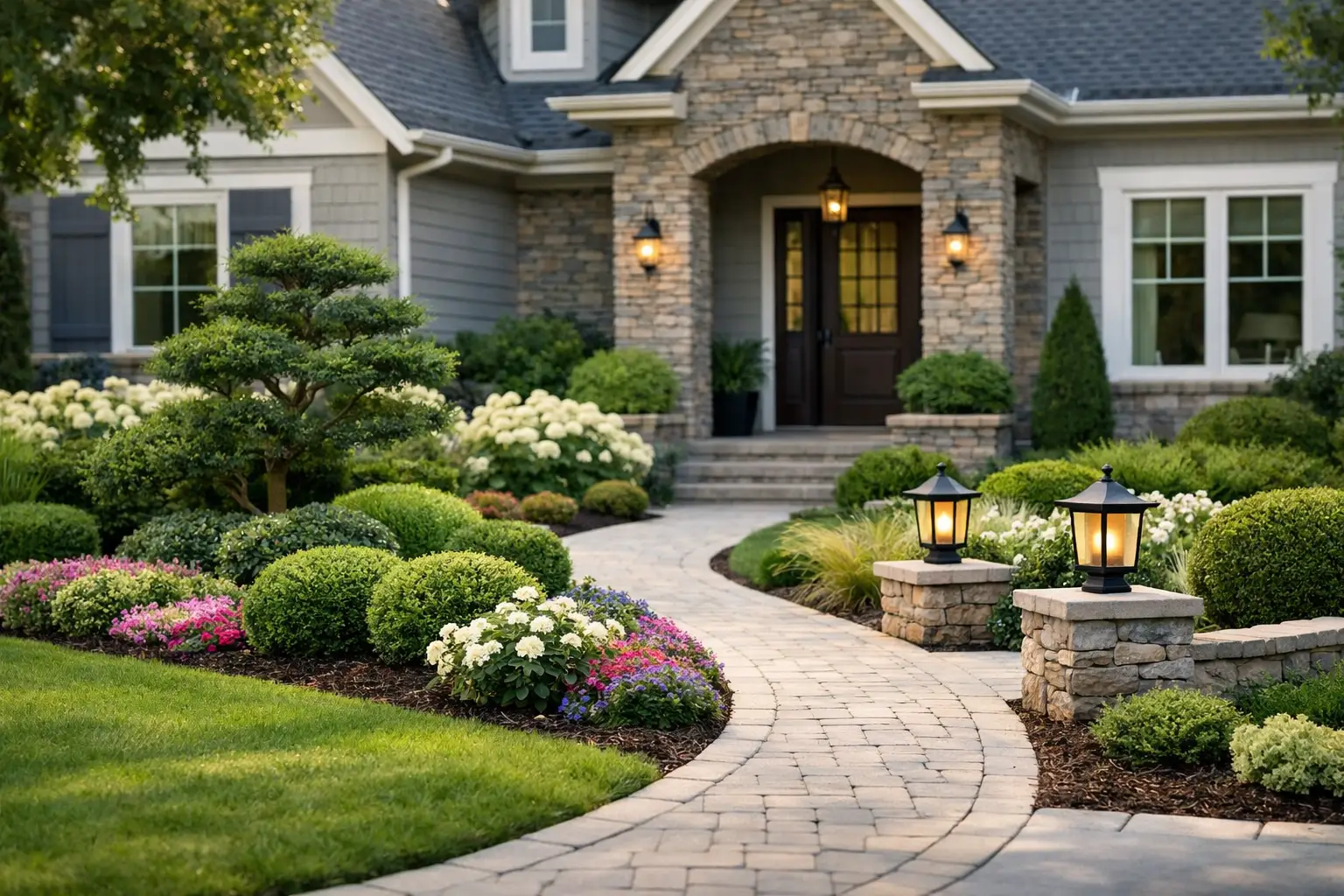
A front yard usually tells the whole story before anyone reaches the door. If you want the best front yard curb appeal, the goal is not to pack in more features. It is to make the space look clean, intentional, and built to handle Austin weather without turning into a constant maintenance job.
That matters whether you are a homeowner trying to improve resale value, an investor getting a property rent-ready, or a property manager trying to keep exterior upkeep under control. Good curb appeal is not just decorative. It affects first impressions, drainage, walkability, parking, and how expensive a property feels from the street.
What best front yard curb appeal really means
The best front yard curb appeal comes from balance. Hardscape, planting, lighting, and layout all need to work together. If one part is overbuilt or underplanned, the whole yard can feel off.
A lot of front yards in Central Texas run into the same problems. The lawn gets scorched, planting beds look thin, walkways are cracked or too narrow, and the driveway takes up visual space without adding any style. On the other side, some yards get overloaded with decorative features that do not hold up well in heat, drought, or heavy rain.
The strongest approach is simpler. Start with the bones of the yard first. That means concrete, grading, walkways, edging, and bed layout. Once those are right, plants and finish details have something solid to work with.
Start with concrete and layout first
If the path to the front door feels awkward, or the driveway is stained, uneven, or breaking apart, curb appeal drops fast. Concrete is one of the biggest visual anchors in the front yard, and it also handles the daily wear that landscaping alone cannot.
A clean driveway with defined edges makes the whole property feel maintained. A walkway should guide visitors clearly from the street or driveway to the entrance without strange angles or narrow pinch points. If the existing path is too small, cracked, or poorly placed, replacing it often does more for curb appeal than adding another bed of flowers.
There is also a practical side to this. In Austin, drainage matters. Water should move away from the house and across the property in a controlled way. A front yard can look good for one season and still fail if runoff starts washing out beds or pooling near the slab. That is why hardscape work and landscape planning should not be treated as separate decisions.
For many properties, the best move is not a full redesign. It may be a better driveway finish, a widened front walk, new concrete borders, or a more defined connection between the driveway and the entry. Those changes make the yard feel organized without adding visual clutter.
Build planting around Texas conditions
A front yard in Austin has to survive heat, drought stretches, sudden storms, and long periods of intense sun. That changes what good curb appeal looks like. The right yard is not the one that looks best for two weeks in spring. It is the one that still looks put together in August.
That is why low-water, region-appropriate planting usually outperforms high-maintenance designs. Shrubs, ornamental grasses, mulch beds, and selective accent plants can create a sharp front yard without requiring constant irrigation or replacement. Bed lines matter as much as plant choice. Crisp edges make even simple planting look finished.
Lawns are where many homeowners overspend time and water. A healthy lawn can help curb appeal, but in Texas it should not carry the whole design. If the front yard depends entirely on green grass, it is vulnerable. A more durable strategy uses turf where it makes sense and lets hardscape and planting beds do more of the visual work.
The trade-off is straightforward. More lawn gives a traditional look, but it usually demands more upkeep. More hardscape and structured planting reduce maintenance, but they need good design so the yard does not feel too bare or harsh. The right mix depends on the property, sun exposure, and how much upkeep you actually want to deal with.
Best front yard curb appeal comes from clean lines
One of the fastest ways to improve a front yard is to remove visual confusion. Too many materials, too many plant types, and too many small decorative items make a yard feel busy. A simpler material palette almost always looks stronger.
That could mean pairing a clean concrete driveway and walkway with defined mulch beds and a limited set of durable plants. It could mean repeating the same edging style throughout the yard instead of mixing stone, plastic border, and random pavers. It could also mean reshaping oversized beds that spill into the usable space without adding any real structure.
Consistency makes a property look more expensive. It also makes future maintenance easier because the yard has a system behind it instead of a collection of separate fixes.
This is especially true near the front entry. The area around the walkway, porch approach, and driveway transition should feel deliberate. If those zones are neat, level, and clearly connected, the whole yard reads better from the street.
Do not ignore scale and proportion
A common curb appeal mistake is installing features that are too small for the house or too large for the lot. Narrow walkways can make an entry feel hidden. Tiny plantings spread across a wide yard can look unfinished. On the other hand, oversized beds and bulky shrubs can crowd the front elevation and make the property feel closed in.
Good curb appeal depends on proportion. A larger home usually needs stronger hardscape lines and planting mass to look grounded. A smaller home often benefits from simpler beds, a cleaner walkway, and fewer focal points.
This is where professional planning matters. You are not just choosing materials. You are deciding how the front yard frames the house. That framing affects both visual appeal and function.
Lighting, borders, and finishing details
Once the main layout is right, smaller details start to matter more. Low-profile landscape lighting can improve visibility and make the house look better at night without overdoing it. Clean borders around beds and walks create separation and keep mulch and soil where they belong. Fresh gravel, mulch, or decomposed granite in the right areas can tighten up the look quickly.
These details work best when they support the structure of the yard instead of trying to save a weak layout. Lighting will not fix a cracked walkway. New mulch will not solve poor drainage. Finishing touches matter, but they come after the main construction and landscape decisions are handled correctly.
Where to spend money first
If you are trying to improve curb appeal on a real budget, prioritize what people notice first and what affects long-term durability most. That usually means damaged concrete, awkward entry access, poor grading, and dead or overgrown planting.
After that, focus on bed definition, fresh surface materials, and a more durable plant plan. Decorative upgrades should come last. There is no point spending on extras if the driveway still looks worn out or the front path still feels like an afterthought.
For resale, clean and durable usually beats flashy. Buyers and renters notice if the yard feels easy to maintain. Property managers notice it even faster. A front yard that looks sharp but requires constant replacement planting or heavy watering can become a cost problem, not an asset.
The best results come from combining hardscape and landscape
The front yards that stand out usually are not the ones with the most features. They are the ones where concrete, grading, bed layout, and planting were planned together. That is what creates a finished look instead of a patchwork one.
This matters even more when multiple exterior issues need attention at once. If the driveway needs work, the walkway is outdated, and the beds need reshaping, it makes sense to address the whole frontage as one project. That avoids mismatched work and repeated disruption. For Austin-area properties, that kind of coordinated approach is often the difference between a basic cleanup and real curb appeal improvement.
Texan Strong Builds works in that overlap between concrete and landscaping, which is where many front yard projects either come together or fall apart. When both sides are planned with the same end result in mind, the property looks better and performs better.
A strong front yard does not need to be complicated. It needs to be well-built, suited to the site, and easy to maintain through a Texas summer. If you make decisions that support durability first, the curb appeal tends to follow.