
What Is Concrete Contracting?
What is concrete contracting? Learn what concrete contractors do, which services they handle, and how Austin property owners should evaluate a job.
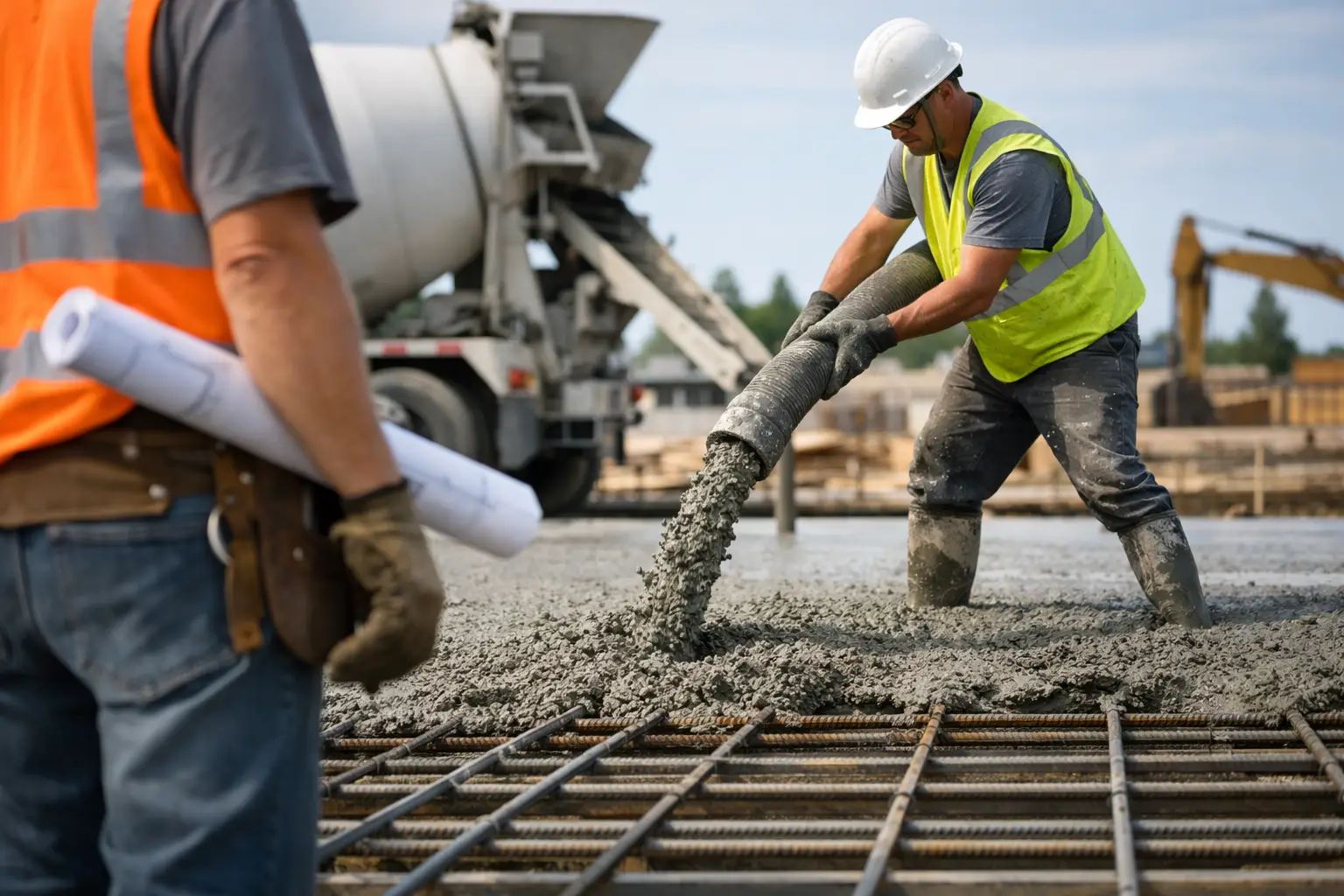
A lot of property owners ask what is concrete contracting only after they start pricing a driveway, patio, walkway, or slab. By that point, the real question is usually more practical: what work does a concrete contractor actually handle, and where does that work affect cost, durability, and appearance? If you are planning an exterior project in Austin, that distinction matters.
Concrete contracting is the trade of planning, preparing, placing, finishing, and sometimes repairing concrete surfaces and structures. It is not just pouring a gray slab and waiting for it to dry. A concrete contractor manages site prep, grading, forms, reinforcement, drainage considerations, the concrete pour itself, finishing methods, curing, and in many cases demolition or replacement of old concrete.
That scope is why concrete work can look simple from the street but go wrong underneath. A clean surface does not mean much if the base is weak, water is trapped, or the slab thickness is wrong for the use. Good concrete contracting is as much about what happens before the pour as what you see when the job is done.
What Is Concrete Contracting in Real Terms?
In real terms, concrete contracting is the construction work behind outdoor surfaces that need strength, stability, and long service life. For homeowners, that usually means driveways, patios, sidewalks, pool decks, steps, retaining elements, parking pads, and foundation-adjacent flatwork. For investors and property managers, it can also include larger replacement work, access paths, and practical exterior upgrades that need to hold up under repeated use.
The contractor's job is to build concrete that fits the site and the purpose. A backyard patio used for seating has different demands than a driveway carrying vehicles every day. A front walkway needs clean drainage and solid footing, but it may also need tighter attention to finish and curb appeal. Concrete contracting covers both the structural side and the finished result.
In Austin, local conditions also shape the work. Heat, shifting soil, drainage patterns, and heavy rain events can all affect how concrete performs over time. That means the contractor is not just installing a surface. They are making choices about thickness, reinforcement, slope, joints, and base preparation based on the property itself.
What a Concrete Contractor Actually Does
Most people think of the pour first, but the job usually starts well before concrete arrives. A contractor evaluates the site, confirms measurements, checks access, and looks for issues that can affect the slab later. That includes soft spots in the soil, low drainage areas, nearby structures, utility conflicts, and elevation changes.
From there, the crew handles excavation and subgrade prep. This is one of the most important parts of the project. If the ground beneath the concrete is unstable or unevenly compacted, the slab is more likely to settle, crack, or hold water. A professional contractor builds the base to support the intended load and help the slab perform in Texas conditions.
Next comes forming and reinforcement. Forms define the shape and elevation of the slab. Reinforcement may include rebar or wire mesh, depending on the project and load requirements. Control joints are also planned at this stage to help manage cracking. Concrete will crack at some point. The goal is not to pretend otherwise. The goal is to control where and how that happens.
Then comes the pour and finish. The contractor places the concrete, levels it, and applies the right surface finish for the project. A broom finish may make sense for traction on a driveway or walkway. A smoother or decorative finish may fit a patio better. Timing matters here. Concrete has a working window, and crews need to move with precision.
After placement, curing begins. This part gets overlooked by property owners because it is less visible, but it affects long-term strength. Concrete does not simply dry. It cures through a chemical process, and the contractor needs to protect that process so the slab develops properly.
Common Services Included in Concrete Contracting
Concrete contracting covers more than one type of job. In residential and light property improvement work, the most common services include driveways, patios, walkways, sidewalks, slab installations, additions to existing concrete, demolition and replacement, and repairs to damaged sections.
Some contractors also handle decorative work like stamped concrete, stained finishes, borders, and custom layout designs. Others stay focused on standard flatwork. Neither approach is automatically better. It depends on what the property needs and whether appearance, function, or a mix of both is the priority.
This is also where overlap with landscaping can matter. Outdoor projects rarely exist in isolation. A new patio may need grading, drainage adjustments, edging, sod replacement, planting beds, or a cleaner transition into the rest of the yard. That is one reason some Austin property owners prefer a contractor who understands both concrete and landscape work. It reduces handoff problems between trades and helps the finished space look intentional instead of pieced together.
What Concrete Contracting Is Not
Concrete contracting is not the same as general handyman work, and it is not just a labor-only pour. A qualified contractor is responsible for the system, not just the final surface. That includes planning the slab for use, accounting for site conditions, and making decisions that affect performance over time.
It is also not the same as foundation repair, though some concrete contractors work near foundations or install slabs adjacent to structures. If a property has major structural movement or foundation failure, that may call for a specialist. Knowing where concrete flatwork ends and structural repair begins is part of hiring the right professional.
Another point worth making is that concrete contracting is not crack prevention in an absolute sense. Every contractor should aim for sound installation, but anyone promising concrete that will never crack is overselling the job. The honest standard is proper preparation, sound placement, and crack control methods that reduce avoidable problems.
Why Quality Concrete Work Costs What It Costs
Concrete pricing is not just based on square footage. The size of the slab matters, but so do demolition needs, site access, grading, base prep, reinforcement, thickness, finish type, drainage corrections, and layout complexity. A small backyard project with tight access can be more labor-intensive than a larger open-area pour.
Material quality matters too. So does crew experience. If one bid comes in much lower than the rest, it is worth asking what has been left out. Sometimes the answer is thinner concrete, weaker prep, less reinforcement, fewer labor hours, or no real plan for drainage. The slab may look fine on day one and start showing problems later.
That does not mean the highest bid is always the best. It means concrete work should be compared by scope, not just price. Property owners should understand what is included, what assumptions are being made, and whether the contractor has clearly matched the job to the site.
How to Evaluate a Concrete Contractor
If you are hiring for a concrete project, ask direct questions. What site prep is included? How thick will the concrete be? What type of reinforcement is planned? How will water drain off the finished surface? Will the old concrete be removed and hauled away? What finish is recommended for the intended use?
Good contractors can answer those questions without dodging or overcomplicating the explanation. They should be able to explain the practical reason behind their recommendation. That matters more than polished sales language.
It also helps to look at whether the contractor understands local conditions. In Austin, soil movement and drainage are not side issues. They directly affect how well exterior concrete performs. A contractor who works in this market should be able to speak to those conditions and build around them.
If your project involves both hardscape and surrounding outdoor improvements, coordination is another factor. A patio that sits too high, drains poorly, or clashes with nearby grading can create problems beyond the concrete itself. That is where an experienced outdoor contractor can bring more value than a narrow one-trade approach.
When Concrete Contracting Makes Sense
Concrete is a strong choice when you need a durable, low-maintenance surface for regular use. It works well for driveways, patios, walkways, and utility spaces because it handles weight, weather, and wear better than many alternatives. It also offers design flexibility, especially when layout and finish are planned well.
That said, concrete is not always the answer for every yard or every budget. In some cases, pavers, gravel, or mixed hardscape may better fit the drainage, appearance, or long-term maintenance goals of the property. The right contractor should be willing to say that when it is true.
For many Austin homes, though, concrete contracting is the backbone of a practical outdoor upgrade. It creates usable space, improves access, supports curb appeal, and adds structure to the property. When the work is done right, it holds up, looks clean, and makes the rest of the landscape function better.
That is the standard worth hiring for. If a project is going to live outside in Texas heat and weather year after year, the job needs more than a fast pour. It needs solid prep, sound judgment, and work built to last.