
11 Pool Deck Concrete Ideas That Last
Get practical pool deck concrete ideas for Austin homes, from finishes and color to drainage, heat control, and long-term durability.
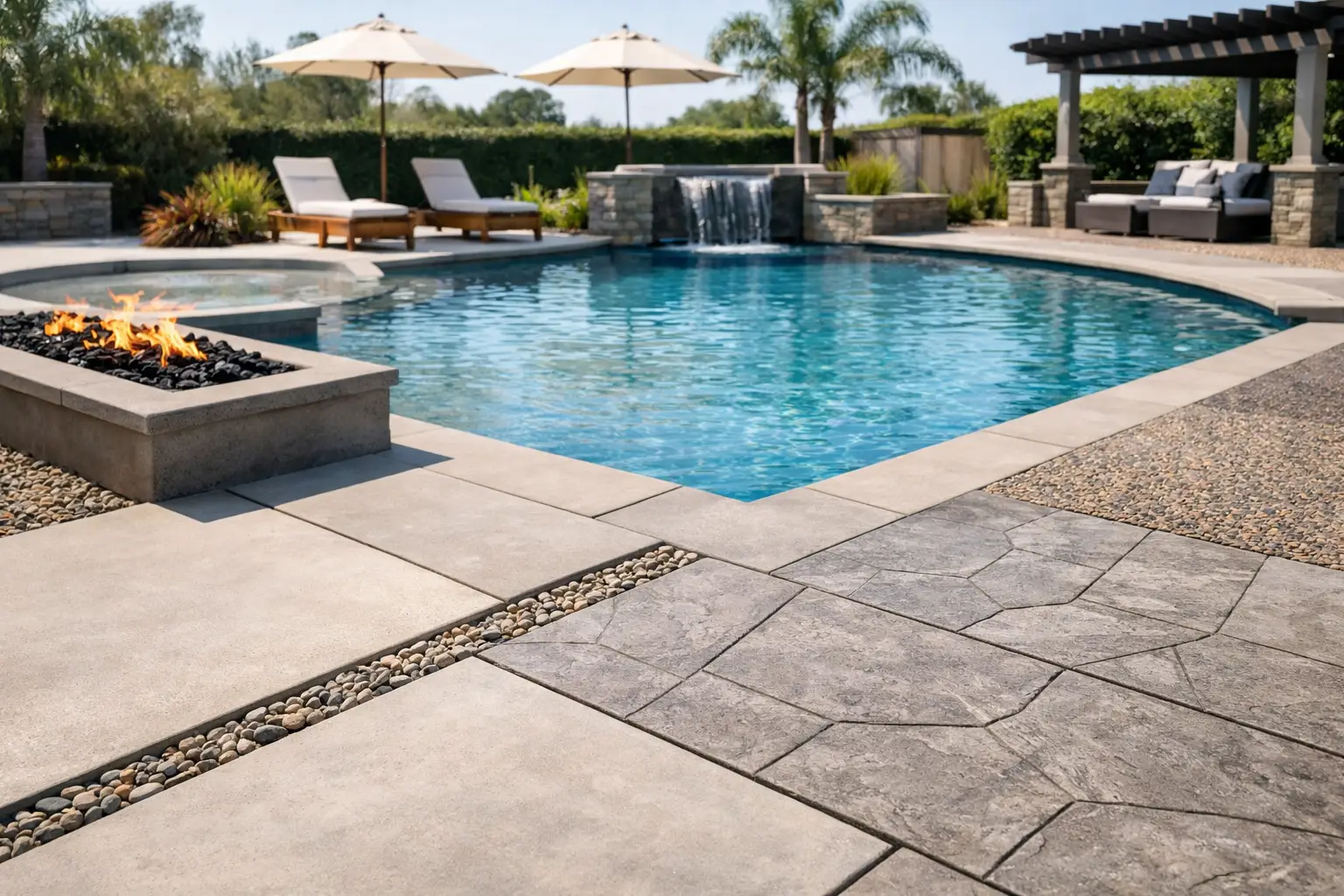
A pool deck can look great on day one and still become a problem by the second Texas summer. The wrong finish gets slick. The wrong color gets hot. Poor drainage turns the area into a maintenance issue. That is why good pool deck concrete ideas need to do more than look sharp - they need to hold up in Austin heat, heavy sun, rain, and regular foot traffic.
If you are planning a new pool deck or replacing an older one, the best approach is to balance appearance, comfort, and performance. Concrete gives you a lot of room to do that. It can be simple and clean, textured and slip-resistant, or shaped to match a more custom landscape plan. The key is choosing an option that fits how the space will actually be used.
What makes pool deck concrete ideas work
Around a pool, concrete has to solve a few problems at once. It needs enough texture for wet feet, enough strength to resist cracking, and enough design flexibility to complement the home instead of looking like an afterthought. In Central Texas, heat is also a real factor. Some finishes and colors stay noticeably cooler than others, which matters if the deck gets full afternoon sun.
Drainage is another part homeowners often overlook. A good-looking deck that holds standing water is not a good install. The slab needs proper slope, clean transitions around the coping, and enough planning around adjoining landscape or hardscape areas so water moves away from the pool and the house.
1. Broom finish for a clean, practical surface
A broom finish is one of the most dependable choices for pool decks. It creates light texture across the surface, which helps with traction without making the deck feel rough under bare feet. For homeowners who want a straightforward, budget-conscious option, this is usually where the conversation starts.
The trade-off is appearance. A standard broom finish is not as decorative as stamped or exposed aggregate concrete. Still, with the right layout, edge detail, and color tone, it can look sharp and intentional rather than plain.
2. Light-colored concrete to reduce surface heat
In Austin, color is not just a style decision. It affects comfort. Lighter concrete tones reflect more heat than darker shades, making the deck easier to walk on during the hottest part of the day. Soft tan, light sand, and pale gray are common choices because they work well with both modern and traditional homes.
This is one of the best pool deck concrete ideas for families who use the pool often in summer. A darker charcoal or deep brown may look strong visually, but it can get hot fast. If you like a darker design, it may make more sense as a border or accent instead of the main deck color.
3. Salt finish for texture without a rough feel
A salt finish gives the surface a subtle dimpled texture. It is created by pressing rock salt into fresh concrete and washing it away later, leaving small impressions behind. The result is more visual character than a plain finish and better slip resistance than a slick troweled slab.
For pool areas, this finish works well because it feels more comfortable underfoot than some heavier textures. It also fits a wide range of home styles. The main consideration is making sure the finish is done evenly. Poor execution can make the surface look inconsistent.
4. Exposed aggregate for grip and durability
Exposed aggregate is a strong option if you want texture and a more finished look. This style reveals the stone within the concrete surface, giving the deck visual depth and solid traction in wet conditions. It also tends to hide dirt and wear better than a smoother decorative finish.
The downside is comfort and cost. Some exposed aggregate surfaces can feel a little harsher on bare feet depending on the stone size and finish method. It also usually comes at a higher price point than a basic broom finish. Still, for many property owners, the longer-lasting appearance makes it worth considering.
5. Stamped concrete with the right texture
Stamped concrete can give a pool deck the look of stone, slate, or pavers without using multiple materials. It is a popular choice for homeowners who want a more upscale design and a custom backyard layout. Done right, stamped concrete can tie the deck into patios, walkways, retaining walls, and planted areas.
Around a pool, texture matters more than pattern. Some stamped finishes look good but become slick when wet if the surface is sealed too heavily or the texture is too shallow. If stamped concrete is on the table, the pattern should be selected for traction first and appearance second.
6. Saw-cut patterns for a cleaner, modern layout
If you want more design without the busier look of stamping, saw-cut concrete is worth a look. This approach uses clean scored lines to create larger rectangular or square sections across the deck. It gives the slab a more architectural look while keeping the surface relatively simple.
This is a good fit for modern homes and for property owners who want decorative detail with lower visual maintenance. It can also help planned control joints look more intentional. The overall result is neat and structured, especially when paired with a light integral color.
7. Integral color instead of surface-only color
Color can be added to concrete in more than one way, but integral color has real advantages for pool decks. It mixes pigment through the concrete itself rather than applying color only at the surface. That means if the deck gets minor wear over time, the color remains more consistent.
Surface-applied color can still look good, but it may require more upkeep in a harsh sun and weather cycle. For long-term performance, integral color is often the better call. It gives the deck a finished look without relying entirely on coatings.
8. Concrete borders to define the space
One of the simplest pool deck concrete ideas is using borders to break up the layout. A contrasting band around the perimeter or along the outer edge can make the deck look more custom without changing the entire surface treatment. This works especially well on larger decks that need more visual structure.
Borders can be done with a different color, a different finish, or both. For example, a broom-finished main deck with a smoother saw-cut border can create enough contrast to sharpen the design while keeping the install practical.
9. Wider deck zones where people actually gather
Not every pool deck needs the same amount of concrete everywhere. One of the better design moves is widening the deck in the areas that get used most, such as steps, lounge chair zones, and outdoor dining spots. Then keep tighter widths where the deck is only serving as a walkway.
This matters because a deck should support how the yard functions, not just trace the pool shape. More concrete is not always better. Strategic deck width usually gives you a more usable layout and better value for the project budget.
10. Built-in transitions to patios and landscape areas
The best pool deck does not feel disconnected from the rest of the yard. It should transition cleanly into patios, outdoor kitchens, turf areas, planting beds, and walkways. Concrete is strong here because it can be shaped and finished to match the full outdoor plan.
This is where working with a contractor who understands both concrete and landscaping helps. The deck, drainage, grade, and surrounding materials all affect each other. If those pieces are planned together, the finished project feels more natural and works better over time.
11. Sealed concrete with realistic maintenance expectations
Sealing is often part of the conversation, and for good reason. A quality sealer can help with stain resistance, color retention, and general surface protection. But it is not a one-time fix that lasts forever. Pool decks in Texas sun will need maintenance.
The key is choosing the right sealer and finish combination. Too much gloss can create a slick surface and an artificial look. For most pool decks, a more natural, lower-sheen finish makes more sense. It protects the concrete without making the area harder to use safely.
Choosing the right pool deck concrete ideas for your property
The best option depends on how you use the pool, what style of home you have, and how much maintenance you want to take on. If your priority is value and traction, broom or salt finish concrete may be the right fit. If appearance is driving the project, stamped concrete, exposed aggregate, or saw-cut patterns can add more character. If summer comfort is a major concern, lighter colors should move higher on the list.
It also depends on the condition of the site. Soil movement, drainage challenges, tree roots, and existing hardscape all affect what will perform best. That is why the right design is not just about picking a finish from a photo. It takes layout planning, prep work, reinforcement, and proper installation.
For Austin-area homeowners, practical design usually wins. A pool deck should look good, but it also needs to stay safe, manageable, and durable through long heat cycles and regular outdoor use. Texan Strong Builds approaches these projects with that in mind - concrete that fits the property, supports the landscape around it, and holds up where it counts.
If you are comparing pool deck options, start with how the space needs to work on a hot Saturday afternoon, not just how it looks in a picture. That usually leads to better decisions and a deck you will still be happy with years from now.