
How to Design a Usable Backyard in Austin
Learn how to design a usable backyard for Austin heat, drainage, entertaining, and daily use with durable concrete and smart landscape planning that lasts.
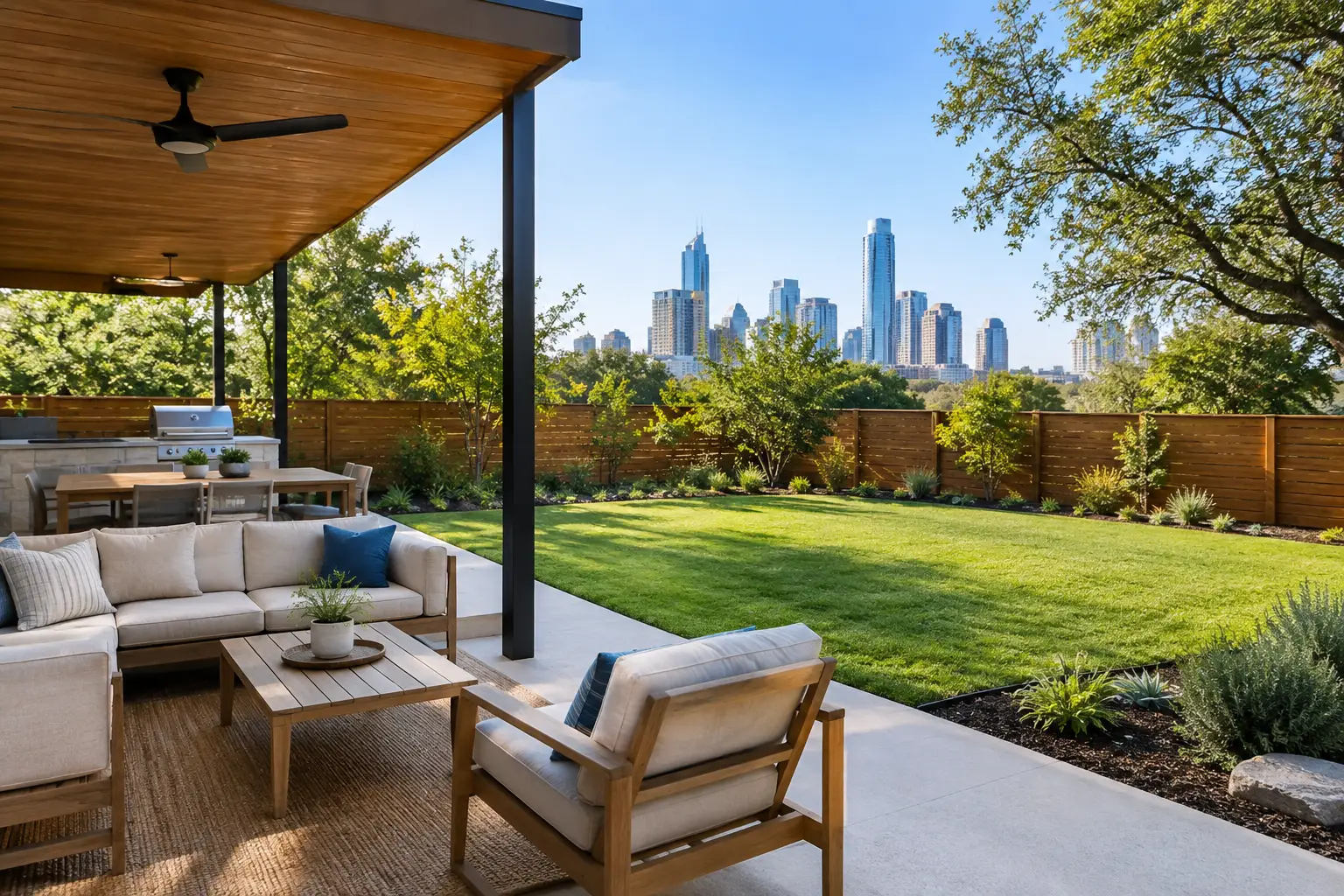
A backyard should earn its square footage. If you are figuring out how to design a usable backyard, start with what you need it to do on an ordinary Tuesday, not just how it should look in listing photos. In Austin, that means planning for heat, fast rain, uneven ground, and the way your household actually moves through the property.
A good outdoor plan creates defined spaces, handles water correctly, and uses materials that stand up to Central Texas conditions. The result may be simple: a solid patio, a clear route from the house, shade where people sit, and landscaping that does not demand constant attention. Done right, it makes the yard easier to use and easier to maintain.
Start With How the Yard Will Be Used
Before choosing pavers, plants, or furniture, identify the primary job of the backyard. A family that grills twice a week needs something different from a rental owner trying to reduce maintenance. A homeowner with dogs needs durable paths and open space. Someone who hosts large gatherings needs room for seating, traffic flow, and food service without everyone standing in the doorway.
Most usable yards include a place to sit, a route to get there, and open space that has a purpose. The issue is not whether every backyard needs all the same features. It is whether the layout makes daily use easy.
Stand at the back door and look outward. Where do people naturally walk? Where does water collect after rain? Which side gets the harshest afternoon sun? Note existing trees, utility equipment, fences, slopes, and drainage swales before making plans. These site conditions should direct the design, not become expensive surprises after concrete has been poured.
Build the Layout Around Clear Zones
A backyard works better when it has distinct zones instead of one large, undefined patch of lawn. The zones do not need walls or formal borders. Changes in concrete, gravel, planting beds, elevation, or edging can establish where one activity ends and another begins.
The main patio is usually the anchor. It should be large enough for the furniture you intend to use, with walking room around it. A small pad can technically hold a table, but it becomes frustrating when chairs block the door or guests have to squeeze past the grill. Measure furniture before finalizing the slab size. For many homes, an undersized patio is the first thing owners regret.
Keep the cooking area close enough to the house for convenience, but not directly in the main traffic path. If you use a smoker or grill often, allow room for prep space and safe clearance from fences, low branches, and seating. A separate fire feature or conversation area can work well farther into the yard, especially on deeper lots.
Leave lawn only where it serves a purpose. Open turf can be useful for children, pets, or games, but grass in a narrow strip between hardscape and fence often becomes another area to water and mow. In those locations, a planting bed, decomposed granite path, or well-designed gravel area may be the better long-term choice.
Plan Movement Before Adding Features
People should be able to walk from the house to the patio, gate, storage area, and other active parts of the yard without crossing planting beds or cutting through a seating area. Direct routes reduce worn grass, muddy spots, and clutter.
A concrete walkway is often the most durable option for high-traffic routes, particularly between a driveway, side gate, and backyard. Width matters. A narrow path may save material, but it can feel cramped when carrying a cooler, mower, or trash bin. For standard foot traffic, a clear, practical width is usually more valuable than decorative complexity.
Choose Concrete Where Durability Matters
Concrete is a strong foundation for usable outdoor living in Austin. It handles regular traffic, provides a level surface for furniture, and gives a property a clean, finished look. A properly installed patio or walkway also reduces the ongoing maintenance that comes with loose material and irregular surfaces.
Material selection should match the use. A basic broom-finish concrete patio is practical, slip resistant, and cost-effective for many homes. Stamped or decorative finishes can add character, but they require thoughtful color and pattern choices. A finish that looks good on a small sample can feel too busy across a large backyard.
Avoid treating concrete as a flat decorative surface. It is structural work. The base, reinforcement, thickness, joints, slope, and connection to existing structures all affect performance. Poor preparation can lead to settling, cracks beyond normal control joints, and water moving toward the home instead of away from it.
Concrete will crack over time to some degree. That is a normal material characteristic, especially in Texas soil conditions. Proper control joints and a sound base help manage where cracking occurs, but no contractor should promise a completely crack-free slab forever. The practical goal is a durable installation with predictable movement and proper drainage.
Make Drainage Part of the Design
A beautiful backyard that holds water is not usable for long. Austin storms can drop a large amount of rain in a short period, and many local properties have clay-heavy soil that drains slowly. Water management needs to be considered before the patio, beds, and paths are built.
Hardscape should slope away from the house. The exact solution depends on the grade, existing drainage pattern, roof runoff, and lot layout. Some yards need a subtle grade adjustment. Others may require swales, catch basins, drains, or gravel drainage areas. The right approach depends on where the water originates and where it can legally and safely go.
Do not send runoff toward a neighbor's property just because it is the lowest point. That can create disputes and may violate local requirements. If your yard has a major slope, recurring standing water, or a patio that sits near the home foundation, it is worth having the drainage plan evaluated before construction begins.
Design for Austin Heat and Shade
The largest patio in the neighborhood will not get much use if it bakes in full afternoon sun. Shade is not an accessory in Central Texas. It is a core part of backyard function.
Existing mature trees can be valuable assets, but their root zones need protection during construction. Heavy equipment, major grade changes, and improperly placed concrete can stress a tree that took decades to grow. Where tree roots and patio placement conflict, the design may need to adjust.
For new shade, consider the orientation of the house and when you are most likely to use the yard. A pergola can provide partial relief and architectural definition, while a covered structure offers more consistent protection. Shade sails can work in smaller areas but must be installed with strong attachment points and tension that accounts for wind. Each option has trade-offs in cost, maintenance, and coverage.
Use heat-tolerant landscaping around the living areas. Native and adapted plants can reduce water demand once established, but even tough plants need proper soil preparation, spacing, and irrigation during their first growing seasons. Group plants with similar water needs rather than treating the entire yard the same.
Keep Maintenance in the Plan
A usable backyard should remain usable without turning every weekend into a yard project. This is especially relevant for rental properties and busy homeowners. Choose elements you can realistically maintain.
Large planting beds may look clean at installation, but they need mulch, pruning, weeding, and seasonal attention. Artificial turf eliminates mowing but can retain heat and needs occasional cleaning, especially with pets. Gravel is durable but can migrate into lawn and beds without proper edging. Natural grass stays cooler underfoot but needs water, mowing, and repair in high-traffic areas.
There is no single best choice. The right mix is based on budget, shade, household use, and how much upkeep you want to handle. A practical Austin backyard often combines durable concrete for active areas, limited turf where it is useful, and low-water planting beds along the edges.
Plan Utilities and Future Additions Early
It is far less expensive to account for electrical, gas, lighting, and irrigation before concrete work begins. If you may add a built-in grill, outdoor lighting, a spa, or a future shade structure, discuss those plans during design. Conduit sleeves and properly located utility runs can prevent having to cut into new hardscape later.
Lighting should make the yard safer without turning it into a stadium. Path lights, step lights, and controlled downlighting near seating areas are often enough. Good lighting helps people move around after dark and makes the backyard more useful through Austin's long warm evenings.
A strong backyard design is not about adding every available feature. It is about putting the right surfaces, drainage, shade, and landscape materials in the right places. For Austin property owners, Texan Strong Builds can help turn that plan into durable concrete and landscape work built for real use, not just a first impression.