
Concrete Contractors Austin Homeowners Trust
Need concrete contractors Austin homeowners can rely on? Learn what to look for in driveways, patios, walkways, and outdoor concrete work.
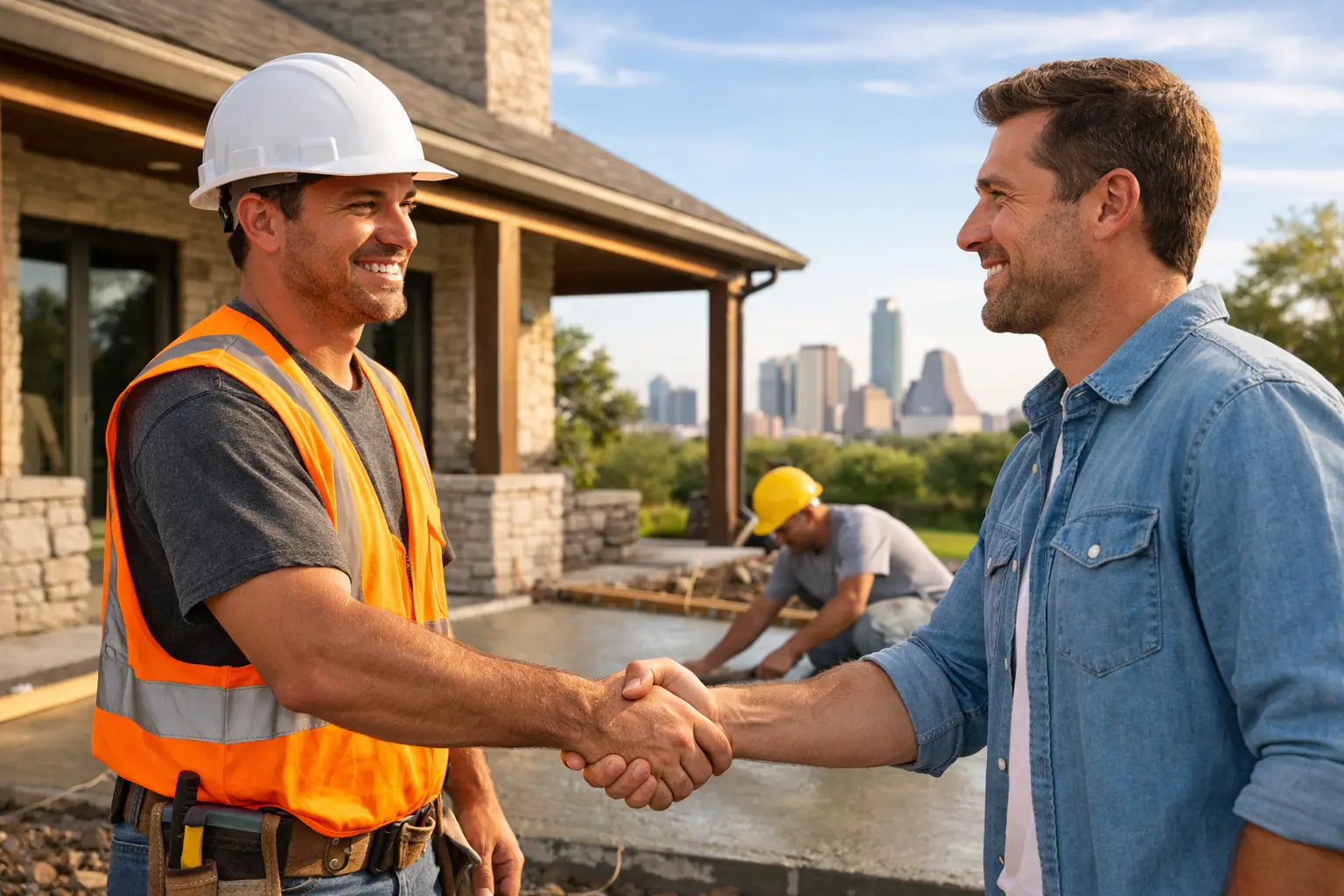
A driveway that pools water after every storm, a patio that cracks through one hot summer, or a walkway that settles unevenly is usually not a concrete problem. It is a planning and workmanship problem. That is why hiring the right concrete contractors Austin property owners can count on matters from the start.
Concrete work looks simple when it is finished well. Underneath that clean surface is grading, base prep, form setting, reinforcement, drainage planning, joint placement, and proper finishing. In Austin, those details matter even more because heat, shifting soil, heavy rain, and long dry spells all put outdoor surfaces to work.
What concrete contractors Austin clients actually need
Most homeowners are not looking for concrete as a product. They are looking for a usable driveway, a patio that holds up, a clean path through the yard, or a slab that supports the next phase of a project. Property managers and investors usually want the same thing with less margin for delay - clear scheduling, durable results, and work that does not create callback issues later.
A good contractor understands that the job is not just pouring concrete. The job is solving a site problem with a long-term surface. Sometimes that means replacing a broken driveway. Sometimes it means extending a patio to make a backyard more functional. In other cases, it means pairing hardscape work with landscape improvements so the finished space actually looks complete instead of pieced together.
That last point gets overlooked. A new concrete installation can improve access and durability, but if grading, drainage, edging, and surrounding yard conditions are ignored, the whole project can feel unfinished. For many Austin properties, the best result comes from treating concrete and landscape work as part of the same plan.
Why Austin concrete work is different
Austin is not a forgiving market for exterior construction. Expansive soils can shift as moisture levels change. Summers put surfaces under constant heat stress. Sudden downpours test drainage fast. Tree roots can also affect flatwork near mature landscaping, especially in established neighborhoods.
That means the right concrete installation is rarely one-size-fits-all. A contractor has to look at slope, runoff, subgrade condition, intended use, and how the new surface connects to the rest of the property. A basic patio for light foot traffic is different from a driveway handling daily vehicle loads. A walkway crossing a yard with drainage issues needs a different approach than a flat path near a well-controlled foundation bed.
This is where experience shows. Anyone can quote square footage. A qualified contractor looks at what the slab needs to do over time.
Services that matter most to homeowners and property managers
Driveways are one of the most common requests, and for good reason. They affect curb appeal, daily use, and property value at the same time. A well-built concrete driveway should feel solid, drain properly, and fit the house instead of looking like an afterthought. Thickness, reinforcement, and base preparation all matter here, especially if the drive sees regular traffic from trucks, SUVs, or work vehicles.
Patios are a close second. In Austin, outdoor living space is not a luxury feature for a few months a year. It is part of how people use their homes. A patio has to be level, comfortable underfoot, and placed with the yard layout in mind. Size matters, but so does shape, access from the house, and how the concrete ties into landscaping, fences, or future additions.
Walkways and side paths are smaller jobs on paper, but they still require careful layout and grading. These surfaces guide movement through a property. If they hold water, settle, or create awkward transitions, the problem shows up immediately.
Slabs for sheds, outdoor structures, and utility areas also come up often. These jobs depend on accurate dimensions and a clear understanding of how the slab will be used later. If the concrete is supporting a structure, the prep work needs to match the load and layout requirements.
How to tell if a contractor is built for the job
A strong bid is not always the lowest one. In concrete, low pricing sometimes means corners are being cut where the customer cannot easily see them - thinner pours, weak base prep, rushed finishing, or poor cleanup. Those choices can stay hidden until the slab starts failing.
The better approach is to ask practical questions. What site prep is included? How will drainage be handled? What reinforcement is being used? How are control joints planned? What is the expected timeline from prep to finish? A professional contractor should be able to answer without dancing around the details.
It also helps to look at project fit. Some contractors handle high-volume jobs but are not strong on custom residential layout. Others can pour a slab but do not think through how the finished concrete works with fencing, beds, grading, or the overall yard. If your project touches both hardscape and landscape elements, coordination matters more than many clients expect.
A contractor who understands both sides of exterior work can save time and reduce friction. Instead of finishing the concrete and leaving the rest for another crew to sort out, they can plan the full outdoor result from the beginning.
Common mistakes that lead to expensive redo work
Poor drainage is near the top of the list. If water sits on or around new concrete, it can create surface issues, accelerate wear, and affect nearby areas of the property. Even when the slab itself holds up, bad water movement can damage the surrounding landscape and make the space less usable.
Weak base preparation is another common issue. Concrete needs support underneath it. If the base is not properly compacted or the subgrade is not addressed, settling and cracking become much more likely. Some cracking is normal in concrete over time, but uncontrolled cracking tied to poor prep is a preventable problem.
Bad layout decisions also create regrets. A patio may be technically sound but too small for actual use. A walkway may cut across the yard in a way that feels inconvenient. A driveway extension may solve parking but create drainage or appearance issues. This is why site planning matters as much as the pour itself.
Then there is the finishing stage. Surface texture, edge quality, joint placement, and curing all affect both appearance and performance. A rushed finish job can make new concrete look older than it is.
When it makes sense to combine concrete and landscaping
Many Austin projects work better when concrete and landscaping are handled together. A new patio often needs surrounding grading, sod, rock, beds, or border work to look finished. A walkway may need drainage correction and planting adjustments. A driveway replacement can expose issues with yard transitions, edging, or adjacent surfaces.
Handling these pieces under one project plan keeps the result cleaner and more functional. It also reduces the back-and-forth that happens when one contractor finishes and another points out problems they did not create. For homeowners, that usually means less downtime and fewer surprises. For property managers and investors, it means simpler coordination and a faster path to a usable exterior space.
That combined approach is one reason local companies like Texan Strong Builds can be a strong fit for Austin properties that need more than a basic pour.
What a solid project experience should feel like
The process should be straightforward. A contractor visits the site, looks at grade and access, asks how the space will be used, and explains what the job needs before any work begins. The proposal should be clear enough that you understand the scope, not just the price.
During the project, communication should stay practical. You should know when prep starts, when forms go in, when the pour is scheduled, and what to expect for curing and site cleanup. If weather or site conditions change the timeline, that should be communicated early.
After the work is finished, the surface should make sense with the property. It should drain, fit the space, and look like it belongs there. That is the standard worth paying for.
If you are comparing concrete contractors in Austin, focus less on who talks the biggest and more on who understands the ground, the weather, and the purpose of the project. Good concrete is not just about getting a slab in place. It is about building an outdoor surface that still works after the heat, the rain, and the daily use start adding up.